
Finding the best sleep habits for new parent stress felt impossible during my first few weeks home with a newborn. I was running on cold coffee, two-hour naps, and sheer stubbornness. My brain was foggy, my patience was paper-thin, and I genuinely forgot my own phone number at a doctor’s appointment. If you’re in that same haze right now, I want you to know that it does get better. But it gets better faster when you stop winging it and start building small, real habits around sleep.

1. Sleep When the Baby Sleeps (But Actually Do It)
You’ve heard this one a million times. I rolled my eyes at it too. Then I spent my baby’s nap folding laundry and ugly-cried at 2 AM because I was so tired I couldn’t think straight.
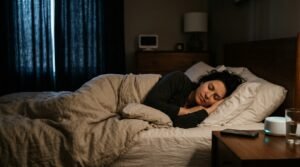
Here’s what finally worked for me: I gave myself permission to leave the dishes. I set my phone to Do Not Disturb, pulled the blackout curtains, and lay down the second my daughter closed her eyes. Even 20 minutes of real rest made the next wake-up feel survivable. The laundry will still be there tomorrow. Your sanity might not be.
2. Create a Wind-Down Routine for Yourself, Not Just the Baby
Everyone talks about the baby’s bedtime routine. Nobody mentions that you need one too. My stress levels dropped noticeably once I started treating my own sleep like it mattered, because it does.
About 30 minutes before I planned to sleep, I’d wash my face, put on something comfortable that wasn’t stained with spit-up, and do a few minutes of deep breathing. Nothing fancy. No hour-long ritual. Just enough signals to tell my overstimulated brain, “We’re done for now.” I used the Calm app for a while, but even just breathing slowly in a dark room worked. The point is consistency, not perfection.
3. Split the Night with Your Partner
This one saved my marriage. I’m not exaggerating. We tried the “whoever hears the baby first gets up” approach, and it turned into a silent competition of who could fake-sleep harder.
So we split the night in half. I took 8 PM to 1 AM, and my husband covered 1 AM to 6 AM. During my off shift, I wore earplugs and slept in another room. It felt weird at first, almost guilty. But getting a solid four to five hour stretch of uninterrupted sleep made me a better parent during the day. If you’re a solo parent, this is where calling in a trusted friend or family member, even one night a week, can be a lifeline.

4. Keep Your Sleep Environment Cold and Dark
I never cared much about “sleep hygiene” before having a baby. Then I realized that every minute of sleep I got needed to count, because there weren’t many of them.
I set our bedroom thermostat to 67 degrees Fahrenheit, which research from the Sleep Foundation supports as ideal. I bought a $15 pack of blackout curtain liners from Amazon, and they blocked out every sliver of streetlight. I also moved the baby monitor screen to my husband’s nightstand on his shifts so the glow wouldn’t keep me half-awake. Small changes, but they turned light, restless naps into actual restorative sleep.
5. Limit Caffeine After 2 PM
I know. This one hurts. Coffee was my emotional support beverage for the entire first year. But I noticed that when I had a cup at 4 PM to “get through dinner and bath time,” I’d lie in bed at 9 PM with my heart racing and my brain replaying every parenting decision I’d made that day.
Cutting off caffeine by 2 PM (noon is even better if you can manage it) gave my body enough time to process it before sleep. I switched to decaf or herbal tea in the afternoons. Rooibos became my go-to. It tastes enough like something warm and comforting without the stimulant that keeps your already-wired nervous system on high alert. Your body is already flooded with cortisol from stress and sleep deprivation. It doesn’t need more fuel on that fire.

6. Use White Noise for You, Not Just the Baby
White noise machines are marketed for babies, but honestly, they helped me more. Between a creaky house, a partner snoring, and the general paranoia of “was that a cry or was that nothing,” my brain never fully switched off.
I started running a Hatch sound machine in our bedroom on a low fan setting. It masked the small noises that kept pulling me out of sleep without drowning out a genuine cry. A basic box fan works just as well if you don’t want to buy another gadget. The consistent background sound gave my brain permission to stop scanning for threats, and I fell asleep faster because of it.
7. Let Go of the Pre-Baby Sleep Schedule
Before my daughter arrived, I slept from 10:30 PM to 6:30 AM like clockwork. Trying to force that same schedule with a newborn was like trying to follow a recipe during an earthquake.
One of the best sleep habits for new parent stress is accepting that your schedule will look different for a while, and that’s okay. Some nights I went to bed at 7:30 PM. Some mornings I napped at 10 AM. I stopped judging my sleep by the clock and started measuring it by total hours over 24. The goal became getting six to seven hours in any combination, not one perfect block. That mental shift alone reduced a huge amount of my stress.
8. Move Your Body During the Day, Even Just a Little
Exercise was the last thing I wanted to do on three hours of sleep. But a 15-minute walk with the stroller consistently helped me fall asleep faster at night. I’m not talking about gym sessions or intense workouts. Just movement.
Natural light exposure during a morning walk also helps reset your circadian rhythm, which gets absolutely wrecked by nighttime wake-ups. I noticed that on days I stayed inside all day, I felt both exhausted and weirdly wired at bedtime. On days I walked, my body seemed to understand when it was supposed to be tired. Even pacing the backyard with a fussy baby in a carrier counts.
9. Stop Scrolling Before Bed
This is the habit I fought the hardest and the one that made the biggest difference. Nighttime scrolling felt like my only “me time.” I’d lie in bed reading parenting forums, comparing milestones, and spiraling into anxiety about whether my baby was eating enough.
I started leaving my phone in the kitchen at night. If I needed the monitor, I kept only the monitor app open on an old tablet with the brightness turned way down. Within a week, I was falling asleep in under ten minutes instead of lying there for 45. The blue light matters, sure. But the mental stimulation and comparison trap of social media at midnight matters even more when you’re already running on fumes.
10. Ask for Help Without Guilt
This isn’t a “sleep hack” in the traditional sense, but it belongs on this list because it made every other habit possible. I couldn’t split nights, nap during the day, or take a walk if I never let anyone else hold my baby.
My mother-in-law came over on Saturdays for three hours. I slept. That’s it. No entertaining, no pretending I had it together. Just sleep. Accepting that I needed help didn’t make me a bad parent. It made me a functioning one. If you don’t have family nearby, look into postpartum doulas or local parent support groups. Many communities have volunteer programs specifically for this. You are not meant to do this alone, and asking for backup is one of the best sleep habits for new parent stress you can build.
Frequently Asked Questions
How many hours of sleep does a new parent actually need?
Most adults need seven to nine hours, but new parents rarely get that in one stretch. Aim for a total of six to seven hours across a 24-hour period through naps and nighttime sleep combined. It’s not ideal, but it’s functional, and it keeps you safe for things like driving and making decisions.
What are the best sleep habits for new parent stress when you’re breastfeeding?
Side-lying nursing was a lifesaver for me during nighttime feeds. You can rest while the baby feeds, and you barely have to wake up fully. Keep your sleep environment safe and follow guidelines from the Academy of Breastfeeding Medicine on safe co-sleeping or bedside bassinets if you choose this route.
Can melatonin help new parents sleep better?
Melatonin can help you fall asleep faster, but talk to your doctor first, especially if you’re breastfeeding. I used a low dose (0.5 mg) for about two weeks during a rough patch and it helped reset my internal clock. It’s not a long-term fix though, and building real habits matters more.
How do I stop anxiety from keeping me awake between feedings?
This was my biggest struggle. Writing a quick brain dump in a notebook before bed helped me offload racing thoughts. If anxiety persists and regularly keeps you from sleeping even when the baby sleeps, talk to your OB or midwife. Postpartum anxiety is real, common, and treatable.
When does sleep actually get better for new parents?
Most parents notice a real shift around three to four months when babies start consolidating sleep. By six months, many babies sleep longer stretches. But “better” is relative. The habits you build now will keep paying off long after the newborn phase ends, so they’re worth the effort right now.
Conclusion
Parenting a newborn is genuinely one of the most exhausting things a human body can go through, and you deserve more than just “hang in there” as advice. Build even two or three of these habits into your routine and you’ll feel the difference within a week. Which one are you going to try tonight?